
Optimizing Hydration and Electrolyte Balance

Today’s chosen theme: Optimizing Hydration and Electrolyte Balance. Dive into practical strategies, science-backed insights, and relatable stories that help you drink smarter, dial in your electrolytes, and feel energized all day. Share your questions and subscribe for weekly, actionable guidance on staying fluidly resilient.

This is the heading

Lorem ipsum dolor sit amet, consectetur adipiscing elit. Ut elit tellus, luctus nec ullamcorper mattis, pulvinar dapibus leo.

This is the heading

Lorem ipsum dolor sit amet, consectetur adipiscing elit. Ut elit tellus, luctus nec ullamcorper mattis, pulvinar dapibus leo.

Electrolytes Demystified

Sodium helps retain fluid in the bloodstream and supports blood pressure and nerve signaling. During heavy sweating, sodium losses can be substantial. Strategic intake—especially for long workouts or hot environments—helps maintain performance, cognitive sharpness, and a steady pace without cramping or dizziness.

Electrolytes Demystified

Potassium balances sodium’s effects and supports cellular hydration and muscle excitability. Magnesium helps muscles relax, contributes to energy metabolism, and calms the nervous system. Together, they reduce twitchiness, support steady heart rhythm, and help you bounce back from demanding training or stressful days.
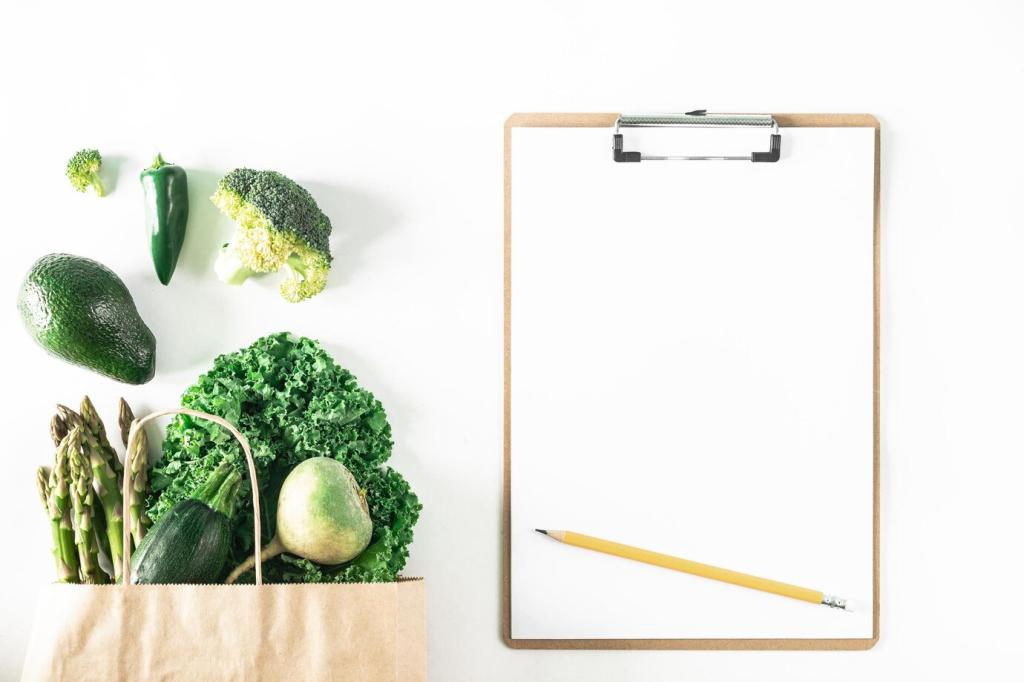
After sleep, sip a glass of water with a light electrolyte source—like a pinch of mineral salt or an electrolyte tablet—to replace overnight losses. Add breakfast foods rich in potassium, such as yogurt, banana, or avocado, to support cellular hydration and a calm, energized start.
Use meals as hydration anchors. Drink a modest glass before and during eating to aid digestion and steady absorption. Pair fluids with electrolyte-rich foods—leafy greens, tomatoes, citrus, beans—to reinforce balance without overloading your stomach or diluting electrolytes during active periods.
Front-load most fluids earlier in the day, then taper slightly after dinner. If you trained late, include a small electrolyte dose with your post-workout meal. This approach restores balance without interrupting sleep, helping you wake rested, clearheaded, and ready to move.

Training, Heat, and Sweat Strategy

Weigh yourself before and after a typical workout, tracking all fluids you consume. Each half kilogram lost roughly equals about half a liter of fluid. This simple test reveals your personal needs, guiding smarter bottle sizes, timing, and electrolyte choices in different conditions.

Training, Heat, and Sweat Strategy

If you sweat heavily or see salt crust on clothing, consider adding sodium during sessions longer than an hour, especially in heat. Start conservatively and test during training, not on race day. Fine-tuned sodium supports steady pace, fewer cramps, and sharper decision-making.

Special Scenarios: Altitude, Illness, and Travel

01

High Altitude and Dry Cabins

Higher breathing rates at altitude increase water loss, and airplane cabins are notoriously dry. Schedule small, frequent sips with light electrolytes, and include potassium-rich snacks. This helps prevent headaches, fatigue, and that drained feeling after long flights or first days in the mountains.
02

When Your Stomach Rebels

During gastrointestinal upset, use an oral rehydration approach: water with a balanced ratio of sodium and glucose improves absorption. Sip slowly, add potassium sources when tolerated, and reintroduce foods gradually. Share your go-to gentle options in the comments to help fellow readers recover faster.
03

Time Zones and Routine Disruption

Jet lag scrambles cues for thirst and hunger. Anchor hydration to local mealtimes, keep a bottle visible, and include electrolytes after long walks or workouts. A short reflection each evening helps you spot gaps and adjust tomorrow’s plan before fatigue snowballs.

Smart Drinks and Hydrating Foods

Combine one liter of clean water with six level teaspoons of sugar and half a teaspoon of salt. Add a splash of citrus or a pinch of potassium salt if available. Sip slowly over time, especially after heavy sweating or mild illness, to improve fluid retention and absorption.

Color, Frequency, and Bodyweight Trends

Aim for pale-straw urine most of the day, with consistent bathroom visits and stable morning bodyweight across the week. These easy markers, combined with how you feel, guide small tweaks that add up to reliable hydration and electrolyte balance.

Wearables, Notes, and Patterns

If you use wearables, log workouts, temperature, fluids, and electrolytes. Look for links between cramping, headaches, or energy dips and your intake. Adjust one variable at a time, then retest. Share your findings so our community can learn from real-world experiments.
Allnaturalcbdshialeah
Privacy Overview

This website uses cookies so that we can provide you with the best user experience possible. Cookie information is stored in your browser and performs functions such as recognising you when you return to our website and helping our team to understand which sections of the website you find most interesting and useful.